Arm Cylinder vs Boom Cylinder: Key Differences
In hydraulic excavators and similar heavy equipment, cylinders convert hydraulic pressure into linear motion. Among them, the arm cylinder and the boom cylinder handle different movements and loads. Understanding how they differ helps with equipment selection, maintenance planning, and troubleshooting.
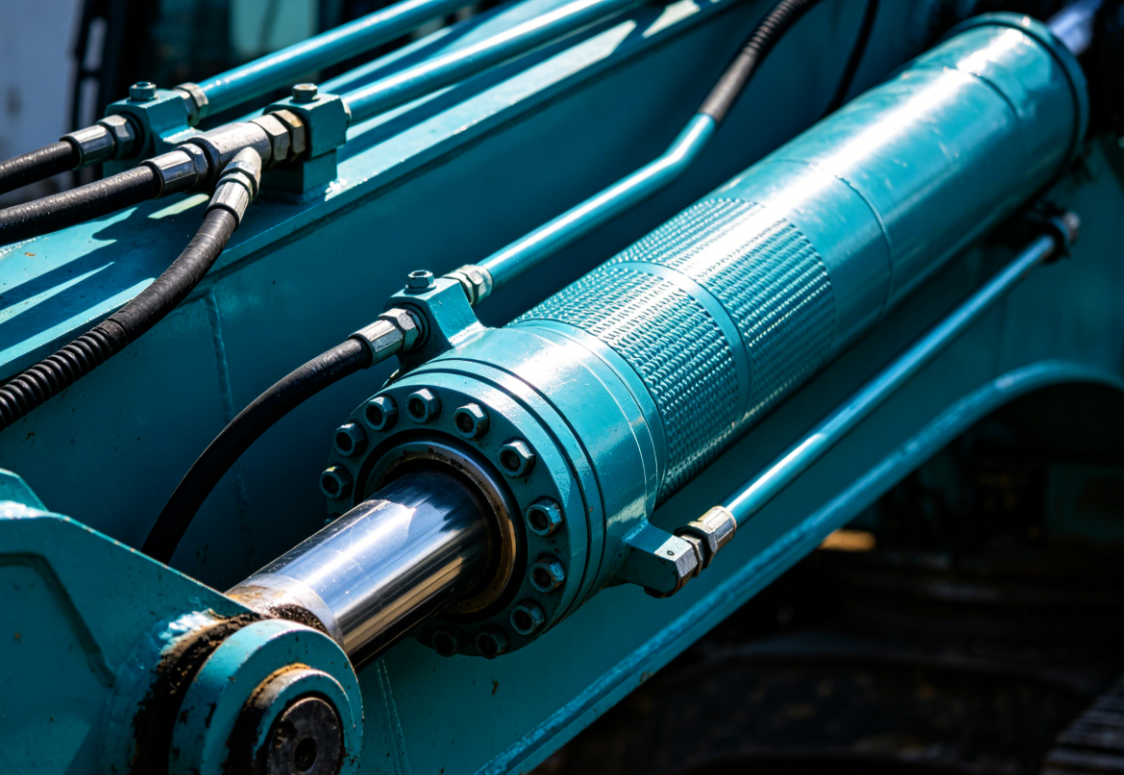
What Is a Boom Cylinder?
The boom cylinder is mounted between the machine body and the boom. Its primary function is to raise and lower the boom.
Key Functions
- Lifts the entire working assembly (boom, arm, and bucket)
- Supports heavy loads during digging and lifting
- Controls vertical reach and dumping height
Characteristics
- Larger bore diameter for higher lifting force
- Shorter stroke compared to the arm cylinder
- Designed for stability under heavy loads
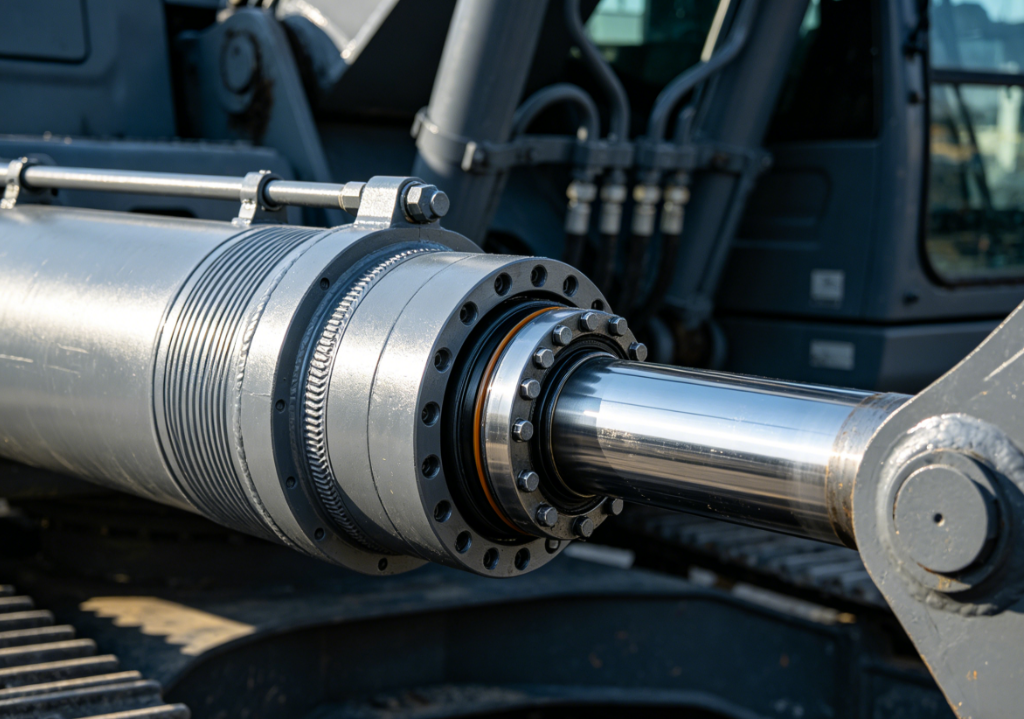
What Is an Arm Cylinder?
The arm cylinder connects the boom to the arm (also called the stick). It controls the extension and retraction of the arm.
Key Functions
- Moves the arm in and out
- Adjusts digging depth and reach
- Positions the bucket for precise operation
Characteristics
- Longer stroke for extended reach
- Smaller bore compared to boom cylinders
- Focused on control and flexibility rather than maximum lifting force
Arm Cylinder vs Boom Cylinder: Key Differences
1. Function and Movement
- Boom Cylinder: Controls vertical lifting of the boom
- Arm Cylinder: Controls forward and backward movement of the arm
2. Position on Equipment
- Boom Cylinder: Located between the chassis and the boom
- Arm Cylinder: Located between the boom and the arm
3. Force vs Reach
- Boom Cylinder: Built for high lifting force
- Arm Cylinder: Designed for longer reach and precision
4. Size and Design
- Boom Cylinder: Larger diameter, shorter stroke
- Arm Cylinder: Smaller diameter, longer stroke
5. Load Handling
- Boom Cylinder: Handles heavier loads and structural stress
- Arm Cylinder: Handles moderate loads with more movement flexibility
How They Work Together
During excavation:
- The boom cylinder raises or lowers the boom to set the working height.
- The arm cylinder extends or retracts to reach the digging point.
- Both cylinders coordinate to control bucket positioning and digging efficiency.
This coordinated movement allows operators to perform smooth and controlled operations.
Common Applications
Both cylinders are widely used in:
- Excavators
- Backhoe loaders
- Material handling machines
- Construction and mining equipment
Maintenance Considerations
For Boom Cylinders
- Inspect for seal wear due to heavy loads
- Check for oil leaks under high pressure
- Monitor mounting points for structural stress
For Arm Cylinders
- Check for rod bending or scoring
- Ensure smooth extension and retraction
- Maintain proper lubrication to reduce wear
Choosing the Right Cylinder
When selecting or replacing:
- Match bore size and stroke length to the machine design
- Consider operating pressure and load requirements
- Use compatible hydraulic fluid and sealing materials
FAQs
1. Can an arm cylinder replace a boom cylinder?
No. They are designed for different positions, loads, and motion ranges.
2. Which cylinder handles more force?
The boom cylinder typically handles greater lifting force due to its larger bore size.
3. Why does the arm cylinder have a longer stroke?
To allow extended reach and better control during digging operations.
4. What causes cylinder failure?
Common causes include seal wear, contamination, overloading, and lack of maintenance.
5. How often should hydraulic cylinders be inspected?
Routine inspection is recommended based on operating hours and working conditions, typically during scheduled equipment maintenance.
Conclusion
The boom cylinder and arm cylinder serve distinct purposes in hydraulic machinery. One focuses on lifting power, while the other provides reach and control. Understanding these differences helps improve equipment performance, reduce downtime, and support better maintenance decisions.